


Adivasi Mahila Mahasangh
The birth of Adivasi Mahila Mahasangh (AMM)
Saving For A Rainy Day
Mamta understood that the rural adivasi society did not have a concept of savings. If they needed instant cash, they would sell off the grains from their barns but would not save any money. If they would need even more money, then they would mortgage their farm land with bigger farmers. “We decided that this would be the course of our sangathan. We initially told women to begin saving Rs .25 each month. Slowly we began to form SHGs, and during that period we got a fellowship from Swiss Aid. Because of their network of people that they work with, I learnt more about the ways a sangathan ought to be run. But I realised that the financial aspect of the adivasi society was a key area to be worked on. The world thinks that the adivasi society is very forward-thinking and the women are quite empowered, but this is not the case when it comes to issues of money. She would have no property rights. I saw several cases of oppression against women, depending on whether she is healthy or whether she is able to bear a child or not. Many women would also not want to drag their families to court. That’s when I decided that something should be done for their income generation. We managed to make a federation of the women who are part of the many SHGs. It isn’t very successful but it has been breathing in its own pace. They have formed the Prerna SHG which is being run by the Women of AMM completely (Read about Malti Tirigi’s story)” Mamta explained, adding that there are several gaps to be filled in this functioning which needs to be filled. (Alcohol Campaign)
Structure
“Earlier we would work only with women, but in the case of the latter SHG, we realised that it was essential to also get men to work with us as this was an issue that involved everyone. So a sangathan needs to be formed with the geographical, political, sociological situations in mind. But that doesn’t mean that the sangathan can move forward on its own because it is very fragile and can take any turn depending on the direction of the wind. And I never want to keep the remote control of the sangathan in my hands, just because I have formed it,” Truly, Mamta has understood through her work that the process of the strengthening of the sangathan has to be organic – it will develop, grow, stagnate, taking its own journey with the strength of the people.
We were also just a group of seven, and we felt the need to be a pressure group before the administration and play the role of the opposition. Two years ago, some ministers from the Centre came here to see the functioning of NREGA and he was shown only those places where work was done well. Suddenly, the ministers of the two oppositional parties became allies. There should be someone in the opposition to observe and point out when the administration goes wrong. So we have been raising issues of corruption; water, land, jungles; the lost culture of the adivasis, and thus this comes under the banner of Adivasi Mahila Mahasangh. We don’t have one person heading this sangathan since the adivasi have a culture of a community-based leadership. So all we did is make a core committee which would help anchor the work and we then invited all women to be a part of it. 10,000 women are a part of AMM, with 11 women in the core committee” Mamta says.
Jashpur Jan Vikas Sanstha is the registered body with seven women as its board members and the effort has been to keep it as a separate formal entity on the paper, by which they could send in proposals for projects, when the need is felt, and also as the body to receive funds for the sangathan.
Mamta is also of the opinion that it would not be right to take the leadership of the very many sangathans which fall under the banner of the Mahasangh. “We want them to be able to take their own decisions. When we go to villages and organise programmes, we do not mention where we’re coming from. People surely do recognise us, but we try our best to support the local sangathans. So even if someone may ask us, ‘Which sangathan do you represent?’ We can confidently say that we are here to support the local sangathan. Even when we organise mass rallies, we insist that everyone display their own banners. I do not mind even if our sangathan is not mentioned in the media reports because we are not working for fame,” Mamta asserts.
-
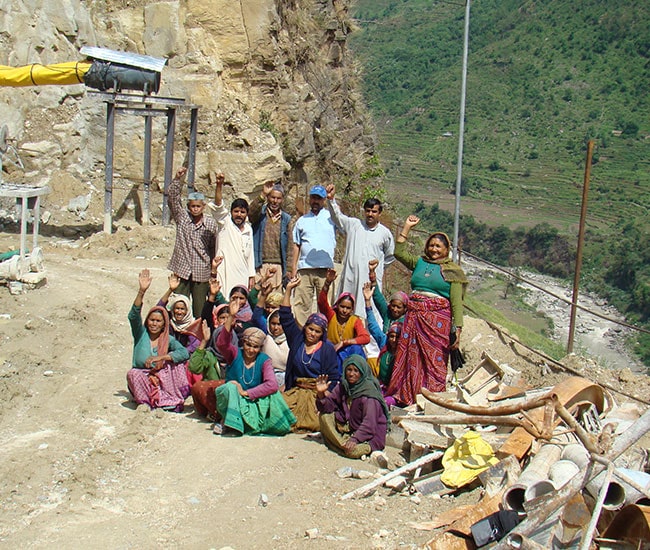 Displacement
 -
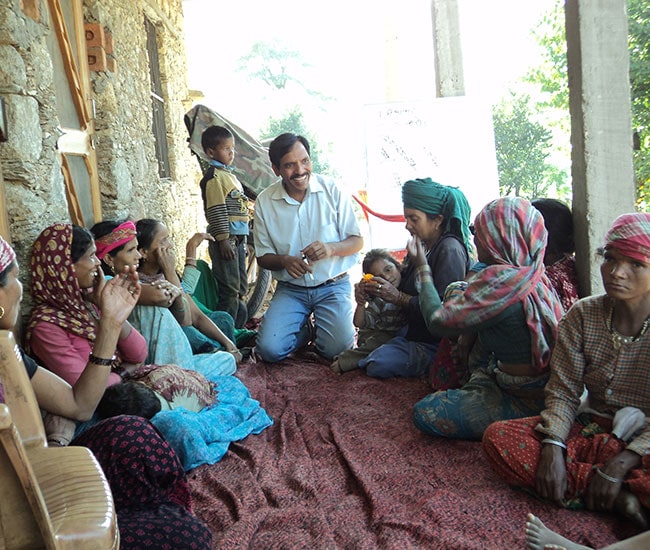 Governance
 -
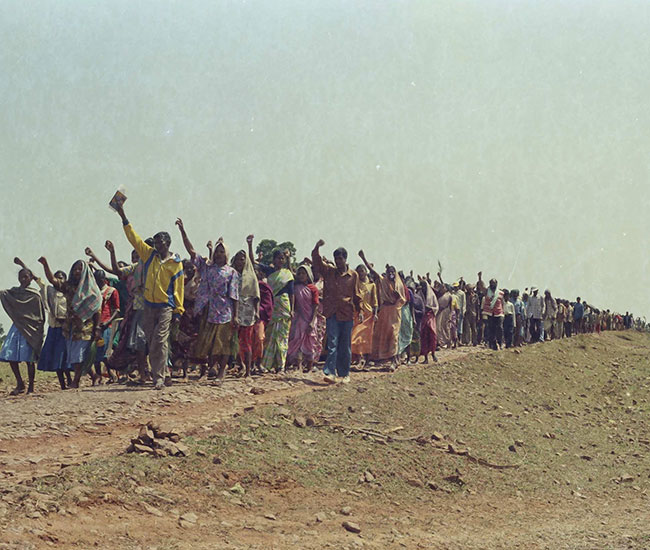 Access to Natural Resources
 -
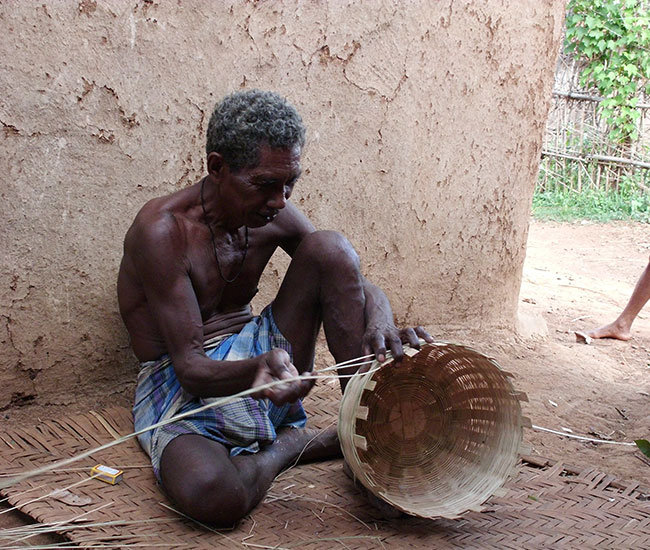 Livelihood